


Getting visitors to your website is one thing, getting them to actually call, message, or buy is another. A conversion friendly website is simply a site built to make that second step as easy as possible. Here is what actually makes the difference.
Every page should have an obvious next step, like Call Now, Get a Quote, or Book Now, placed where visitors can see it without scrolling. If people have to search for how to contact you, most will simply leave without trying.
Visitors decide whether to trust a business within a few seconds of arriving. Client photos, years in business, or simple trust lines near the top of the page help visitors feel confident enough to continue, instead of leaving straight away.
Long forms with too many fields scare people away. Ask only for what you truly need at first, like name, phone number, and a short message, and collect more details later during a call.
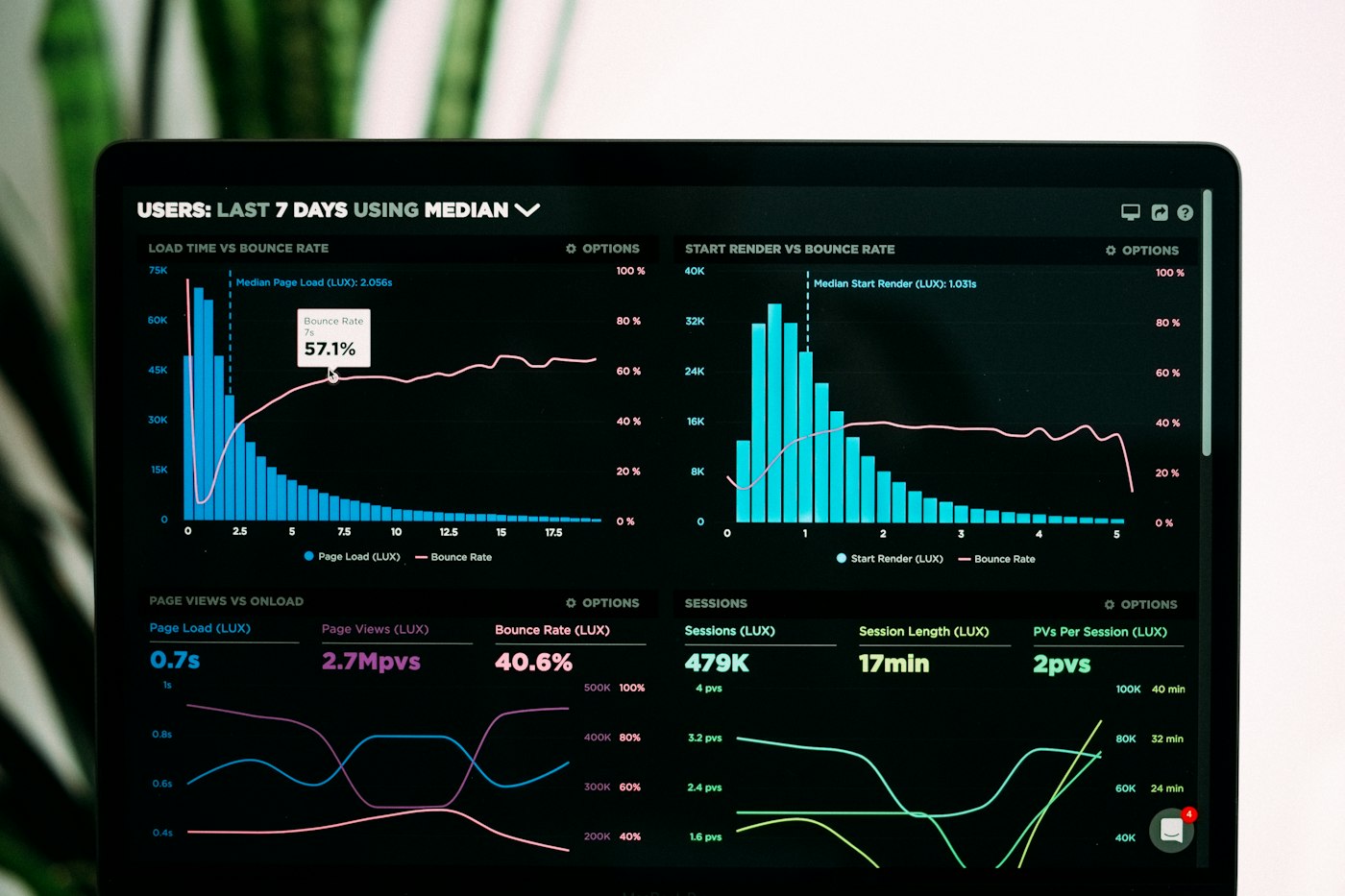
A conversion friendly website must load quickly, because slow pages lose visitors before they even see your offer. Page speed is not a small technical detail, it directly decides how many visitors actually reach your call to action.
If someone searched for urgent website repair, they want a fast answer, not a long company history first. Match what each page shows first to what the visitor was actually looking for when they clicked.
Most visitors browse on their phone, so your buttons, forms, and text must work smoothly on a small screen, not just look good on a large computer monitor during a design presentation.
A conversion friendly website is not something you add later, it needs to be planned from the very beginning of the design process. This kind of practical, results focused thinking is exactly what a web design and development company in Chennai Sanishsoft, brings into every project for small businesses.
A beautiful website that does not convert visitors into enquiries is not truly doing its job. Focus on clear actions, fast loading, simple forms, and content that matches visitor intent, and you will see a real difference in the enquiries your website brings in.
If your website gets traffic but not enough calls or messages, we are happy to take a look and tell you exactly where visitors are dropping off.
Global Presence
Trusted by businesses across continents — from startups to enterprises